Thanksgiving makes me think about the bargains we make to belong.
Most of us know the small calculations: what not to say at the family table, which parts of ourselves to make less visible, whether honesty is worth what it might cost. We learn to read a room before we know we're doing it.
There is something deeply human about wanting a place at the table. We need connection. We need to know we matter to one another. But what happens when belonging comes at the price of silence? When one person's comfort depends on another's willingness to absorb harm? And what happens when we're the ones benefiting?
Thanksgiving is built around a story of generosity and shared abundance. But that story leaves out the colonization, dispossession, and violence that made this country possible. The familiar image of Pilgrims and Indians sharing a meal has helped turn that history into a comforting origin story, even as Indigenous nations continue to live with its consequences. We can love the people around our tables and tell the truth about the ground beneath us.
I stopped celebrating Thanksgiving about a decade ago. I thought that would settle something. It didn't. Leaving the table changed my calendar, not my ear. I still know which silences are load-bearing.
I remember driving to Thanksgiving at Aunt Mary's in the West Village, approaching Gun Hill Road in the Bronx. My mother casually reminded us to lock the car doors. She didn't have to explain. I understood the lesson: Black and brown bodies were dangerous; we were to be careful.
Then we arrived: family, food, affection, familiar rituals. The racism hadn't kept us from gathering. It had traveled right along with us, tucked inside our ideas about safety, respectability, success, and the people we should be careful around.
I love my family. We were, and are, good people in many ways. We cared about justice, showed up for others, and believed in making the world better. There was real love around that table. There were also things I was learning not to say.
A family can be committed to justice in the world and still struggle to make room for difficult truths at home. I don't want to turn the people I love into a story about hypocrisy. But I won't erase my own experience to preserve the story of a good family. The pain of having my truth-telling silenced was real. So was the love.
That's one way inheritance works. We receive recipes, furniture, and ways of loving one another. We also inherit assumptions about who belongs, who is safe, and whose discomfort matters. Some families become more securely white over generations. Some people quiet their ancestry, language, or traditions in exchange for conditional belonging. The inheritance—and its costs—are not the same for everyone.
In my somatics community, Ruach, Dona Hirschfield White, and Wes (Wendy Elisheva Somerson) introduced me to a framework from Staci Haines around safety, belonging, and dignity. I've been thinking about how often we experience these needs as competing. We adapt: becoming useful, agreeable, funny, exceptional, quiet. We learn what can be said and what might cost us our place. These strategies can help us survive. They can also shape the cultures we create.
I recognize this in families. I recognize it in organizations.
A staff member tells a director that the executive director's reference to "inner city youth" landed badly. The remark itself isn't really disputed. But the conversation shifts. The staff member's tone becomes the issue. The executive director has done so much good work. The timing is difficult; there's a funding cycle underway. Perhaps this would be better raised privately.
Privately, it turns out, means nowhere.
By spring, the staff member is described as "not a good fit." The organization schedules a listening session.
This is how institutions protect themselves. They turn a question about harm into a question about tone, timing, or personality. They praise the leader's intentions and scrutinize the truth-teller's delivery. Eventually, the person who raised the concern becomes the problem—and the organization gets to carry on.
I've been the troublemaker, the one asking questions people would rather leave alone. I've also helped keep the story intact. At fourteen, "Ruining Thanksgiving Since 1981" could have been printed on a T-shirt. I wanted to name what I saw. I also wanted to be liked. I've softened the point, waited for a better moment, and sometimes enjoyed being right.
There is a particular seduction in being one of the good people who know better. We can become fluent in the language of justice while remaining attached to arrangements that benefit us. We can name the problem, even facilitate a beautiful conversation about it, without changing who has power or who pays the price. I'm not exempt.
But I don't want to end with another exhortation to be braver. I want to ask what it would take to build relationships—and organizations—where belonging doesn't require us to abandon our dignity.
I've known tables that felt like liberation. Friends who became family. People who made room without making a production of it. People who could tell me I'd caused harm and still want me there next week.
That last part matters. Intimacy isn't the absence of rupture. It's what we're willing to do after it.
Not every relationship can or should be repaired. Sometimes leaving is the most honest choice. But where repair is possible, accountability can deepen belonging rather than threaten it.
And in organizations, this has to mean more than inviting people into the room. It means changing who sets the agenda, who controls the resources, whose knowledge counts, and who has the power to shape decisions. A seat at the table is not the same as a share of power.
Three practices for a different kind of belonging
1. Find your accomplices.
If something harmful is happening, look for someone else who sees it. Not just someone to debrief with afterward, but someone willing to share the risk in the room.
Make a plan. Agree on a way to interrupt. It might be as simple as pausing the conversation, saying, "I'm not going to laugh at that," or having a second person say, "I saw it the same way." Don't leave the person who speaks up alone with the consequences.
2. Put the meal on the land.
If you're gathering for Thanksgiving, learn whose ancestral territory you're on. Native Land Digital is one place to begin, but a map is only a starting point. Learn directly from Indigenous nations. Learn the history of the place where you live. Find Indigenous-led work and ways to support it.
A land acknowledgment isn't a way to check a box and return to dinner. It's an invitation to understand the history and responsibility of living on this land.
3. Practice the repair, not just the rupture.
When someone tells you that you've caused harm, resist the urge to lead with your intentions. Get curious about the impact. Ask what they need. Listen without requiring them to make you feel better. Take responsibility and make repair where you can.
And if you're in a position of authority, don't make the person who names the harm responsible for restoring everyone's comfort. That's your work, too.
Meanwhile
I believe in change. I've seen people take responsibility and grow more courageous. I've seen organizations shift when people loosen their grip on old arrangements and share power.
But I cannot facilitate someone into accountability against their will. People can spend years waiting for a family member, colleague, or institution to change.
Meanwhile, life moves on. Children become adults; adults become grandparents. Someone dies. The staff member leaves, and the organization carries on without the voice it needed.
I still believe we can be together differently. But good intentions and welcoming language won't get us there. Organizations have to examine how power actually moves: who gets heard, who gets promoted, who controls the money, whose expertise is trusted, and who bears the consequences when things go wrong.
Ruining Thanksgiving needn't mean a blowup. It might mean telling a truer story, refusing to protect a powerful person's comfort, or changing a decision because someone finally got heard.
I believe in feeding one another, in chosen family, in the beautiful work of being human together. I also believe we can build institutions worthy of those values: places where accountability is practiced, dissent is not punished, and sharing power changes more than the language in the mission statement.
I want to help build a world where we don't have to choose between belonging and the truth; where, together, we change the conditions that made that choice necessary.
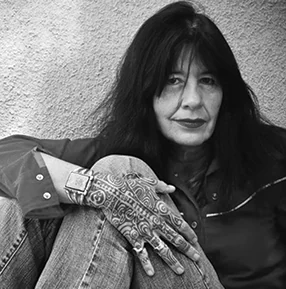
Remember the sky that you were born under,
know each of the star’s stories.
Remember the moon, know who she is.
Remember the sun’s birth at dawn, that is the
strongest point of time. Remember sundown
and the giving away to night.
Remember your birth, how your mother struggled
to give you form and breath. You are evidence of
her life, and her mother’s, and hers.
Remember your father. He is your life, also.
Remember the earth whose skin you are:
red earth, black earth, yellow earth, white earth
brown earth, we are earth.
Remember the plants, trees, animal life who all have their
tribes, their families, their histories, too. Talk to them,
listen to them. They are alive poems.
Remember the wind. Remember her voice. She knows the
origin of this universe.
Remember you are all people and all people
are you.
Remember you are this universe and this
universe is you.
Remember all is in motion, is growing, is you.
Remember language comes from this.
Remember the dance language is, that life is.
Remember.
“Remember.” Copyright © 1983 by Joy Harjo from She Had Some Horses by Joy Harjo. Used by permission of W. W. Norton & Company, Inc.
Nourishment and Provocations
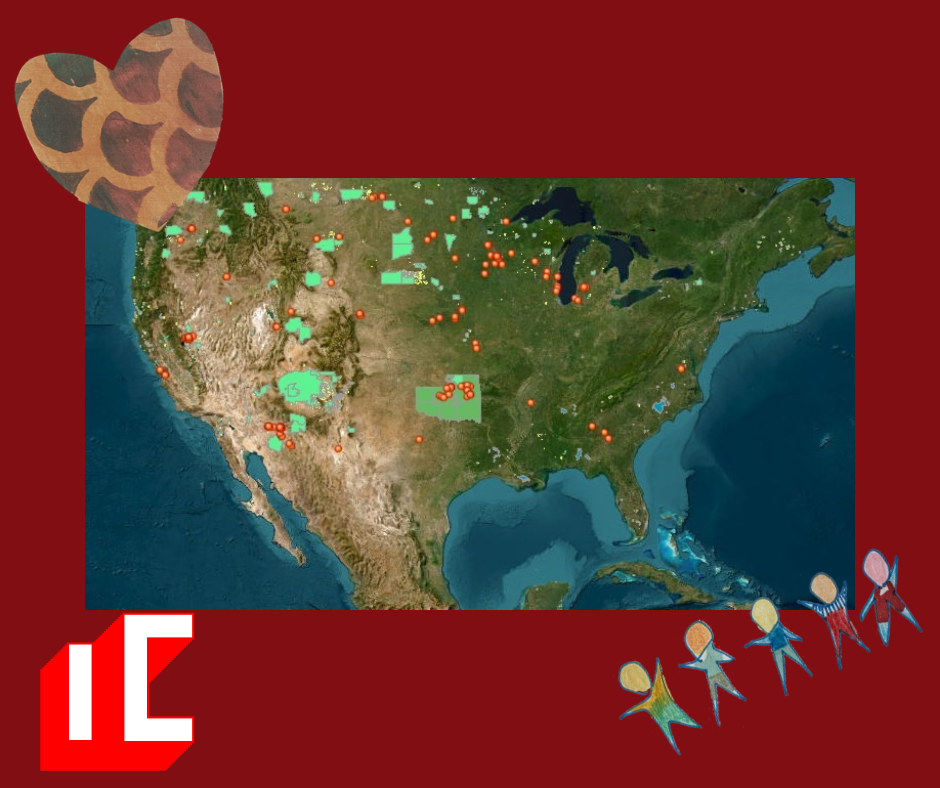
Solidarity Syllabus: Indigenous People, Rematriation, Resisting AI Data Centers
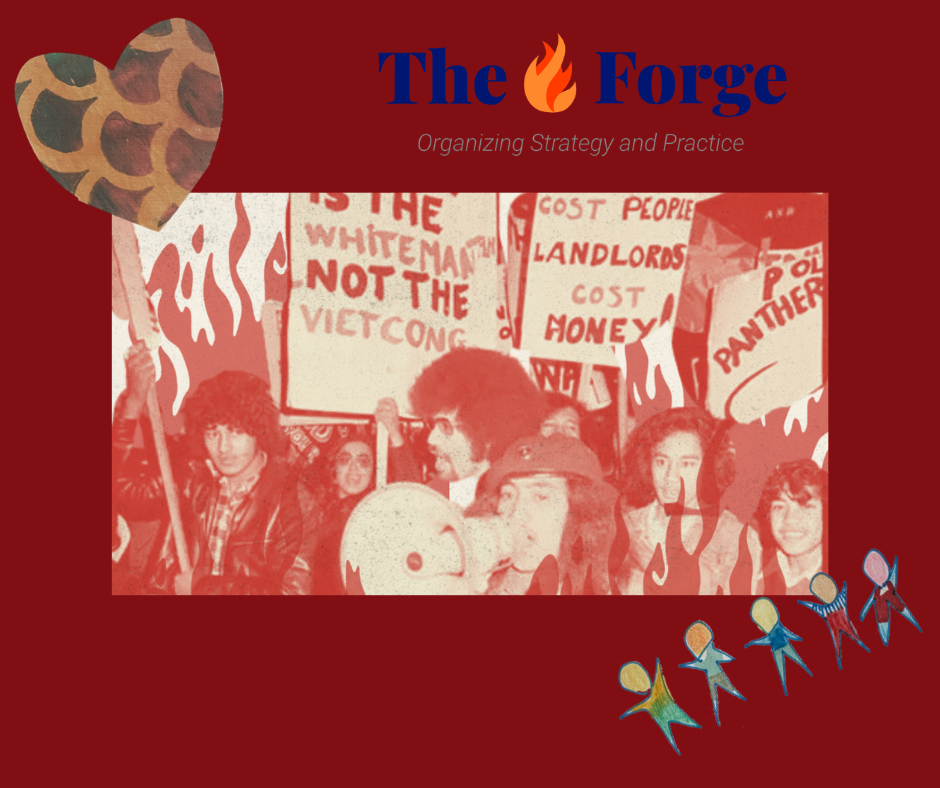
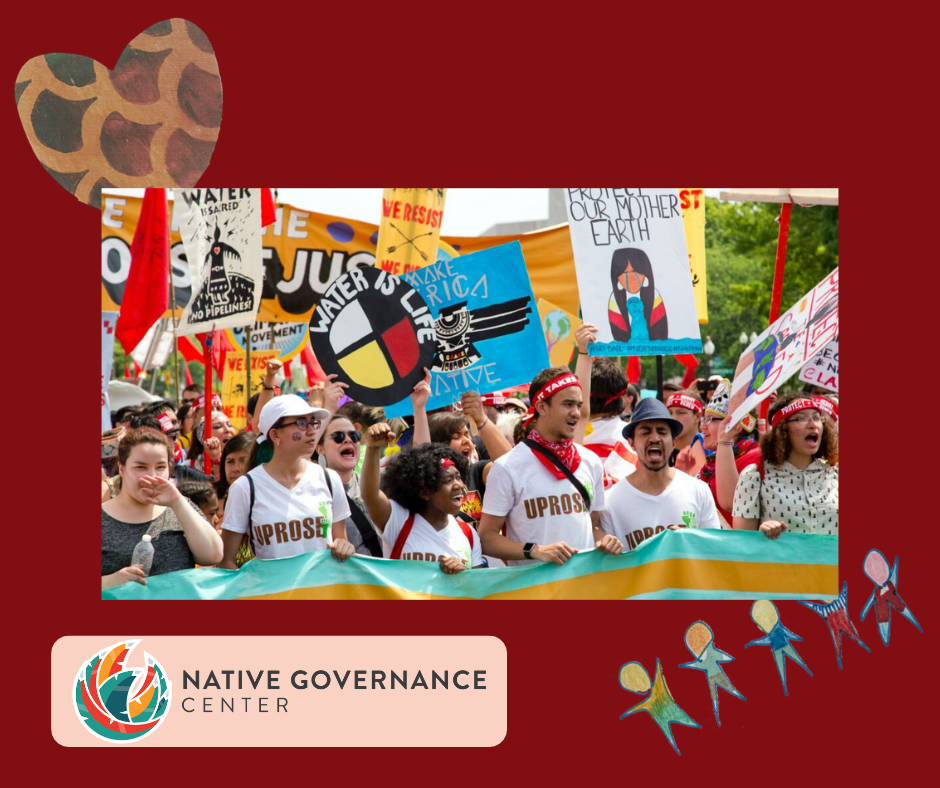
Braided Movements: Black & Indigenous Perspectives on Reclaiming Land
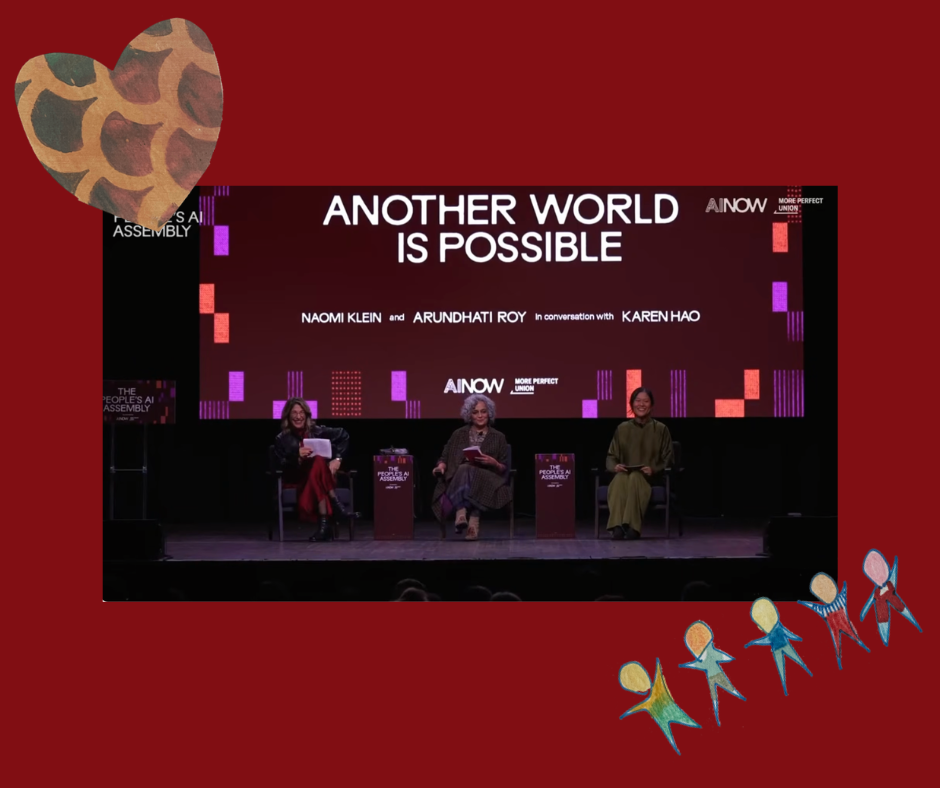
Arundhati Roy and Naomi Klein with Karen Hao: “Another World IS POSSIBLE-THE PEOPLE’S AI ASSEMBLY 2026” — YouTube
A Note About Coaching
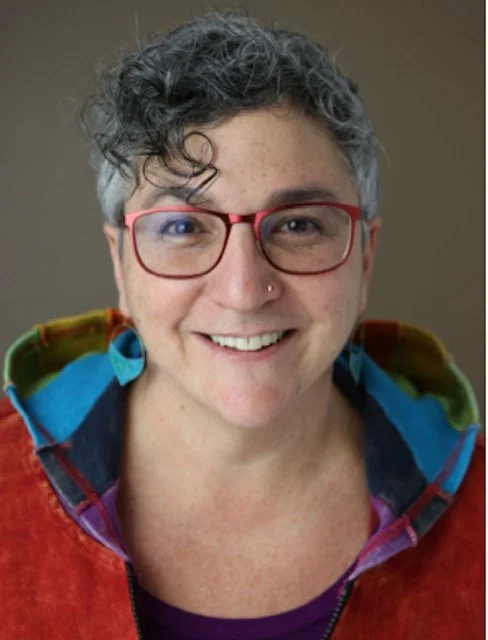
Feeling stuck in an old pattern of avoidance, conflict, detachment, or control?
Discover a new way forward by uncovering the strengths and resources you already have within you.
Hire me to be your coach!
Explore individual coaching programs
Toward Justice,
Evangeline
Please share this blog with any of your friends working to build more just communities and organizations.
To receive this monthly Postcard from North Carolina directly in your inbox, please sign up below!