Postcard From North Carolina - April 2026
The hard realization unfurling in me lately is this: the world may not be getting better.
Violence and hierarchy have structured human societies for millennia. None of us have living memory of another arrangement. Which means the present moment can start to feel inevitable.
My friend Charles reminded me at dinner recently that the West is obsessed with the brain—as if our social pathologies are simply the result of individual choices. “They forget,” he said, “that the brain is social.”
At the most fundamental level, Belonging is about safety. And yet few of us want to negotiate less dignity for the sake of belonging or safety. But isn’t this what the margin does all the time?
A memory flashes before me leaving the theater in downtown Greensboro and letting go of Dalton’s hand as we approached a group of police officers on the corner. Anxious that our queerness would jeopardize our safety, I remember how my hand loosened in hers, falling to my side, a quiet defeat. We passed the police without a second glance, queer and alive, safely hiding in plain sight. Perhaps best friends or neighbors.
Belonging doesn’t just happen. As a matter of fact, the more diverse the community, the more complex it is to build belonging. Navigating our identities in the street is an unlikely topic for most straight white Christians.
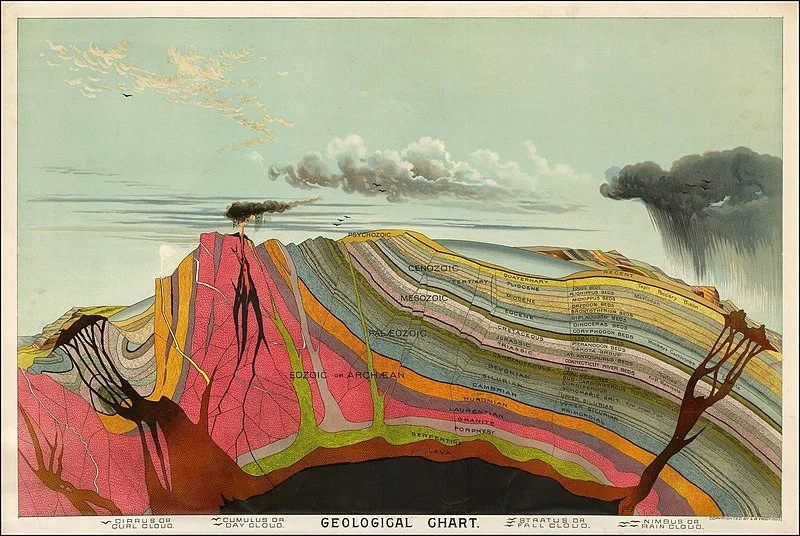
Even within systems that feel ancient and immovable, the texture of cruelty shifts. Hatred has strata. And right now it feels like we are drilling through a particularly miserable vein in the sedimentary layers of deep time.
I won’t list the atrocities. You already know them. Instead, I ask you to take thirty seconds, look out the nearest window, and allow yourself to think about the horror that exists somewhere beyond that glass.
In my work, people often talk about generational trauma. The phrase describes the quiet inheritance families carry forward—violence, fear, and the survival strategies that once kept someone safe. Over time, those strategies calcify into culture. Belonging depends on calculations our ancestors learned long before we were born.
Many of us now sit on the edge of empire watching our 403(b)s and Roth IRAs, reading our Social Security statements and A1C blood tests, quietly wondering what it has all been for.
Or maybe that’s just me.
Because there is so little I can do about the scale of it all—and because I am not remotely capable of mobilizing an army—I sit with my trauma and try to build places of belonging.
Or at least, that’s the plan.
Last month, I facilitated an inclusion workshop for a beautiful and brave K–8 public school. More than fifty teachers, staff members, and a handful of board members gathered in the room. We used the Training for Change framework Mainstreams and Margins to explore the experience of exclusion.
The school had already received a protest email when the agenda went out. Even the thought of a DEI session had triggered alarm.
(Last year, at another organization, a participant requested a religious accommodation to opt out of a belonging workshop. His email read simply: “My religion is against critical thinking.”)
When I walked into the school room, I could feel the tension—the quiet worry that naming power might make someone uncomfortable.
Of course, uncomfortable is not the same thing as unsafe. This distinction is one reason somatics matters in liberation work. As white people, many of us carry an unconscious expectation that we should remain comfortable.
The workshop itself was calm. Participants shared examples of inclusive behaviors and discussed how mainstream groups can learn to see themselves more clearly. Earlier in the day, small groups performed short skits illustrating what exclusion feels like. We named common patterns—sometimes clueless, sometimes intentionally cruel.
I shared a few stories as well. One involved Christians, who in the United States often occupy the mainstream, and LGBTQ people, who frequently live on the margins.
A “bless your heart” email arrived a few days later.
My observation that Christians are sometimes unaware of their majority status had been interpreted as disdain for Christians. The writer seemed uninterested in my own experience as a Jew or in reflecting on her position within the mainstream. What troubled her was simply that I had associated one of her identities with power.
But what stayed with me most was her question:
“How have Christians harmed you?”
The question felt familiar. The onus on me, the Jew, to explain myself. What the board member could not see was that I was not angry at any one Christian. I was responding to the long echo of history moving through deep time and arriving, somehow, in a polite email exchange between two strangers.
I wrote back: “I am friends with Christians,” and offered a brief analysis of power and majority culture. I invited her to ask a few non-Christian people in her life what it feels like to live on the margins.
Her defensiveness mirrored something in me as well—as a cis person, a middle-class person, a white person. I know what it is to feel “Not all white people...” I had compassion for this reactivity even as it irked me.
I have not been a particularly religious Jew. My father believed religion was the opiate of the masses. With the exception of one year in my early twenties—when I worked as “Morah Weiss”—I have mostly avoided synagogue. My politics and my queerness have reinforced that distance whenever I have tried to reconnect.
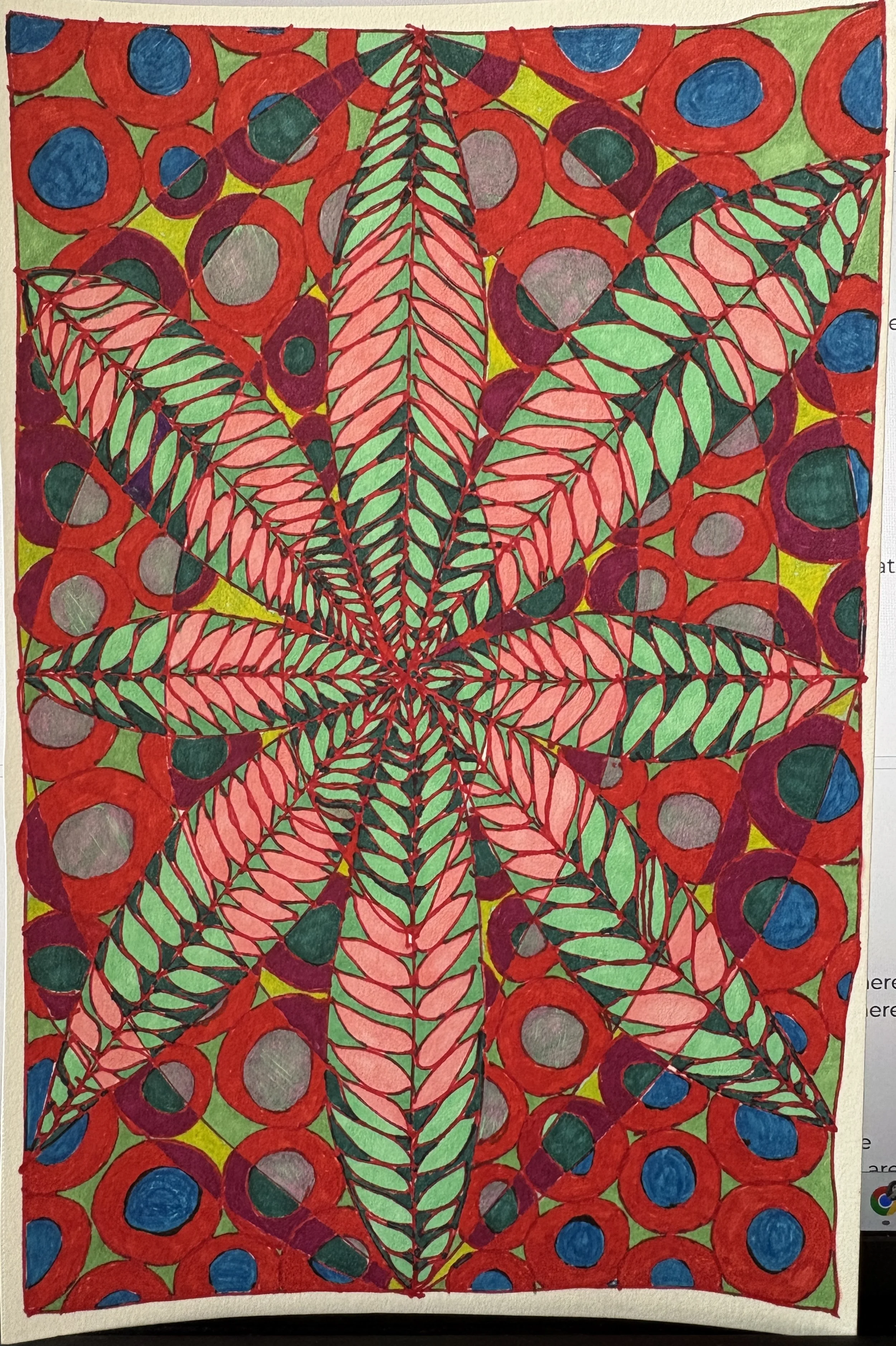
My relationship to God thrives instead in the woods and with a magic marker in my hand.
Still, I claim Judaism. It defines me culturally, perhaps even spiritually, if we understand soul work as something that happens beyond the pews. It has never occurred to me to be anything other than Jewish.
And in antiracism work with white people, I sometimes feel the edge of that identity. I am white, but not always in the same way white Christians are.
There is a moment when teaching the Characteristics of White Supremacy Culture when I get to the piece on conflict avoidance. I often pause there and come out to the group as Jewish. I describe a subtle (or perhaps not so subtle?) difference between Jewish cultural norms and dominant white Christian norms. Jewish culture reveres critical thinking, asking a clever or insightful question is seen as a superpower. My people like to argue.
While I have lived a life of enormous privilege and safety, I have also experienced harm in the form of antisemitism. Microaggressions—like the email from the defensive board member—are rarely isolated events. They are tied to generational trauma, to political forces larger than any individual interaction.
Everything feels personal because it is.
And everything feels overwhelming and far bigger than personal because it is.
My ancestor William Weiss walked 100 miles from Newark, New Jersey, to Honesdale, Pennsylvania, in the mid-1800s seeking a new life. He carried his carpentry tools on his back and found work on a farm east of town.
I imagine that walk through Wawayanda State Park. I picture the road in every season—the dust of summer, the mud of spring, the loneliness of winter. I imagine the texture of William’s dream. Originally from Czechoslovakia, his Ashkenazi whiteness likely helped keep him safe.
William worked as a farmhand through that fall and winter. As Easter approached, the farmer encouraged him to go into town to buy “Sunday clothes.” I imagine William nodding politely and never mentioning Passover.
According to the Wayne County Historical Society, when William arrived at the mercantile, the shopkeeper took an immediate liking to him. He was friendly, capable, and a good storyteller. The shopkeeper offered him a job on the spot.
Soon after settling in Honesdale, William helped organize a synagogue for the town’s small Jewish population. No one questioned the modest structure that emerged on the banks of the river, in the southeast part of town. They designed their temple to look like a church.
Not out of reverence for Christian steeples, but out of a need to survive.
I thought about telling the board member this story.
About the long history of small negotiations people make with power. About the quiet calculations our ancestors carried in their bodies.
But perhaps the real question is not about harm or offense.
Perhaps the question is this:
When does belonging become assimilation?
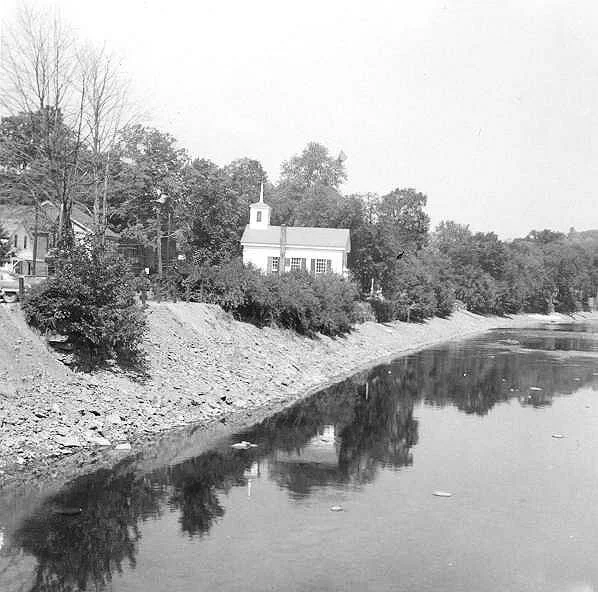
Temple Beth Israel was built in 1856 on the bank of the Lackawaxen River in Honesdale, PA. Its congregation still thrives today.
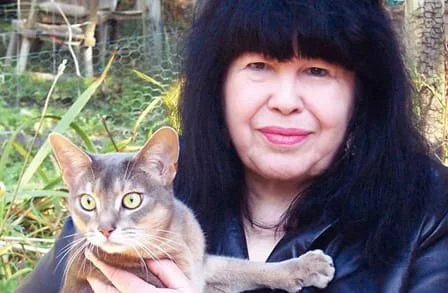
Poem of the Month
The Seder’s Order
By Marge Piercy
The songs we join in
are beeswax candles
burning with no smoke
a clean fire licking at the evening
our voices small flames quivering.
The songs string us like beads
on the hour. The ritual is
its own melody that leads us
where we have gone before
and hope to go again, the comfort
of year after year. Order:
we must touch each base
of the haggadah as we pass,
blessing, handwashing,
dipping this and that. Voices
half harmonize on the brukhahs.
Dear faces like a multitude
of moons hang over the table
and the truest brief blessing:
affection and peace that we make.
Copyright Credit: Marge Piercy, "The Seder’s Order" from The Crooked Inheritance. Copyright © 2006 by Marge Piercy. Reprinted by permission of Alfred A. Knopf, Inc.
Source: The Crooked Inheritance (2006)
Provocations and nourishment
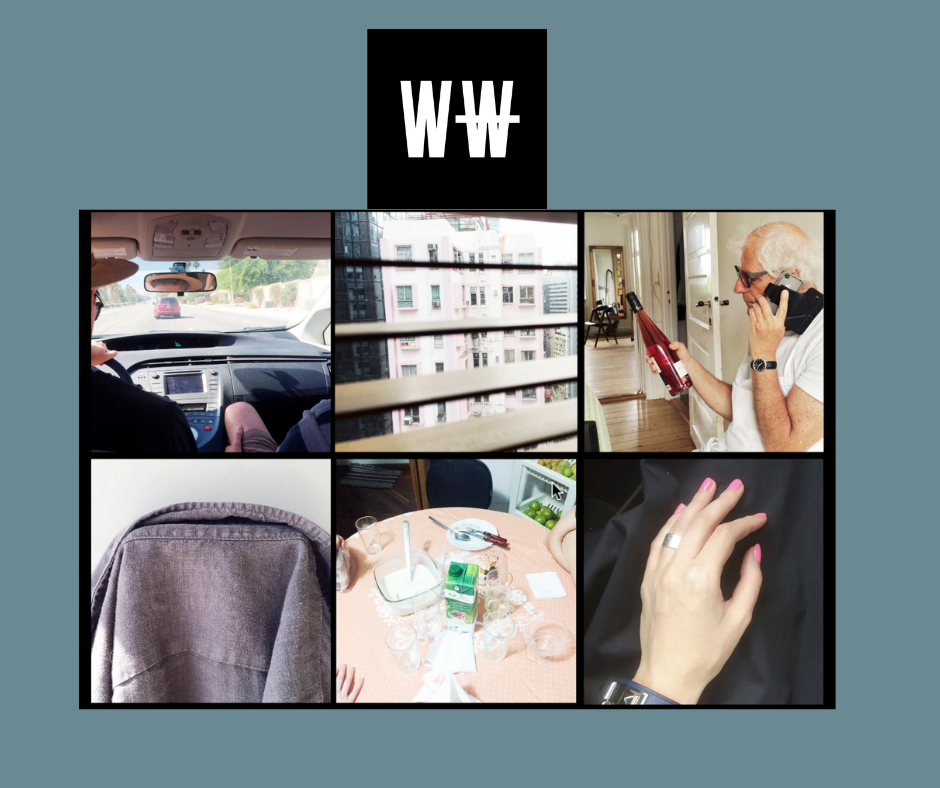
Whatever it is, the way you tell your story online can make all the difference.
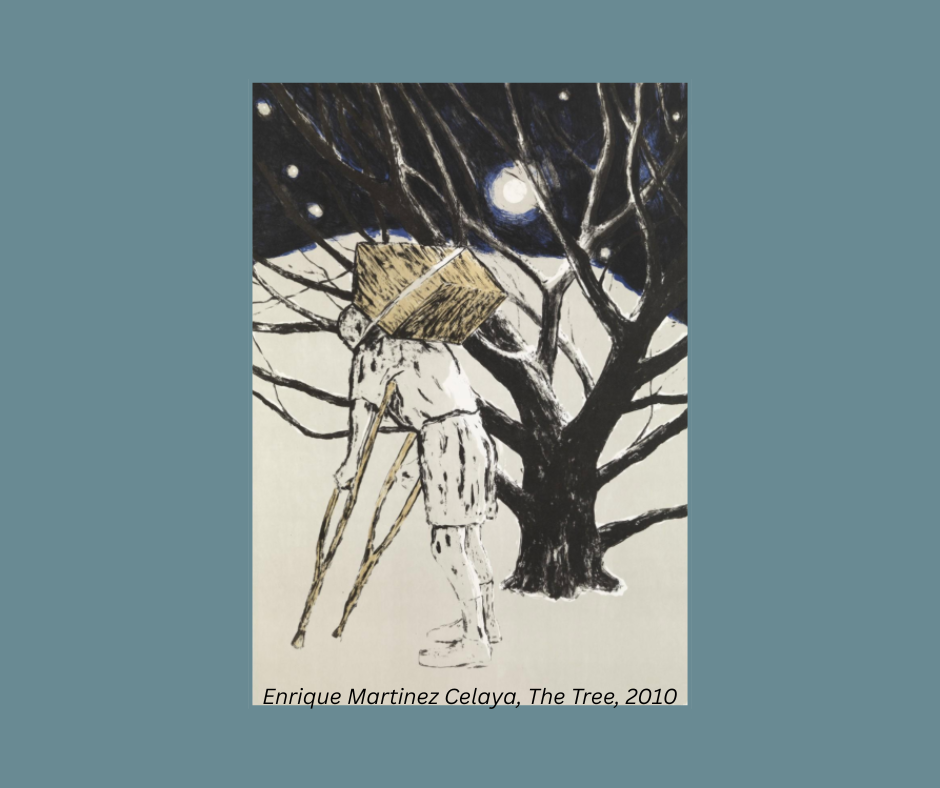
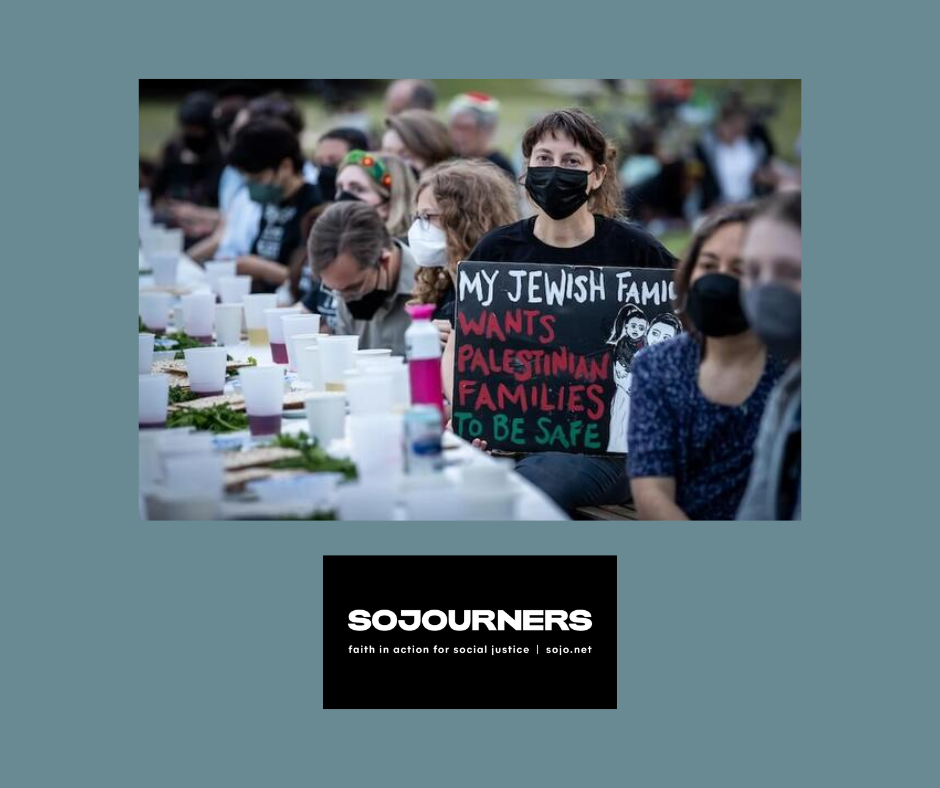
Part of my weekly reading is Roxanne Gay’s The Audacious Roundup.
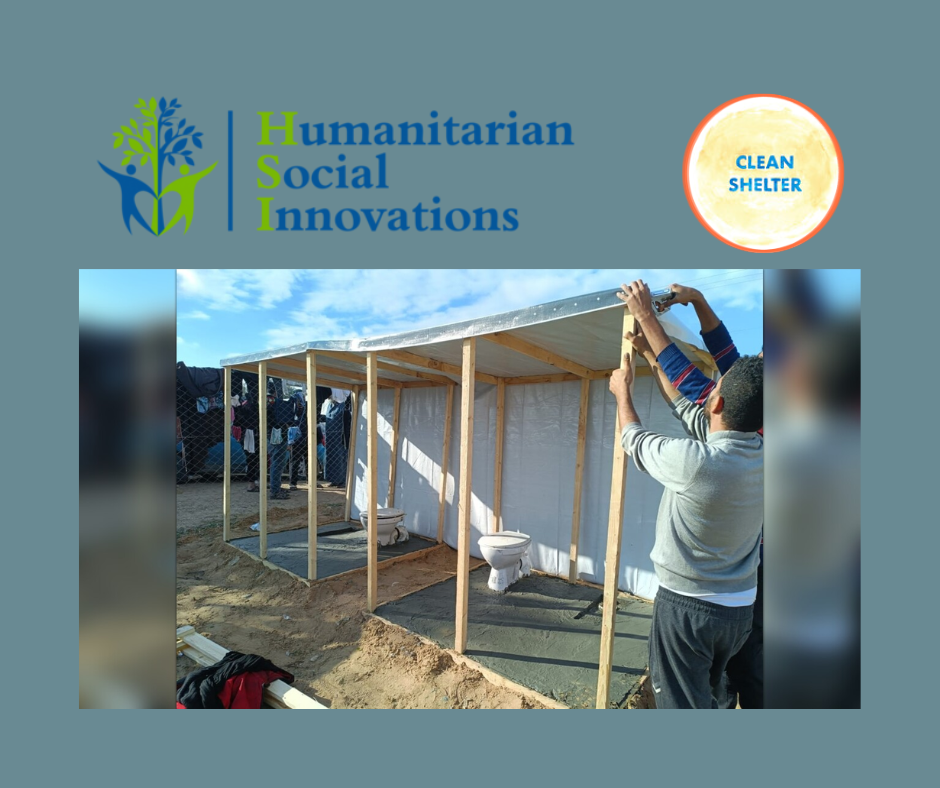
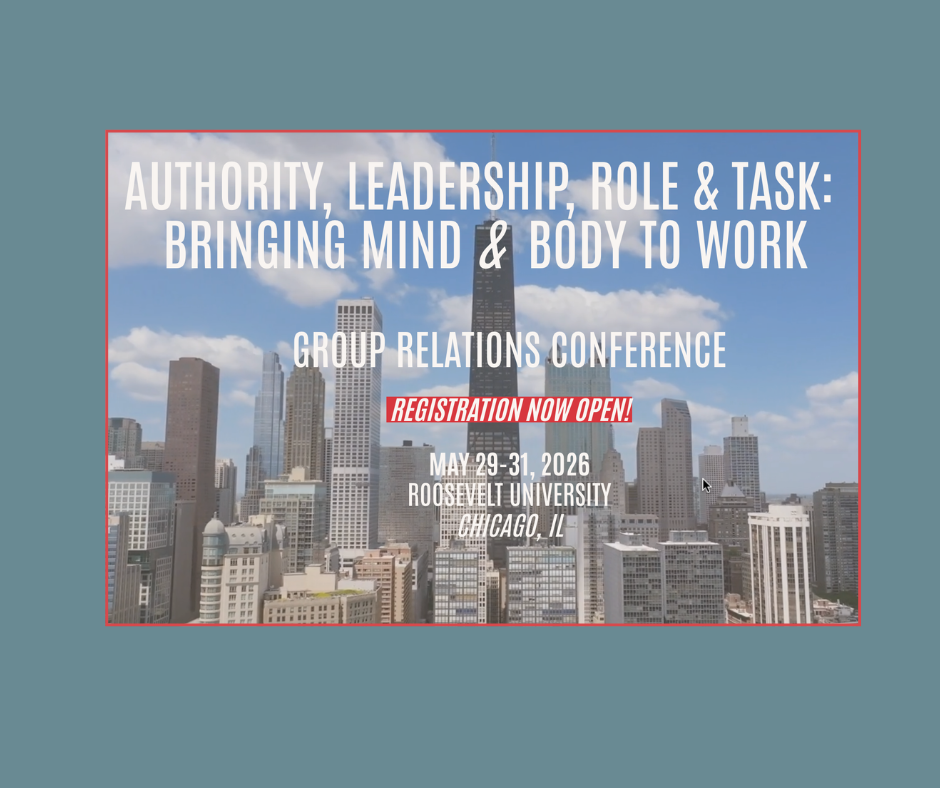
Upcoming Opportunities
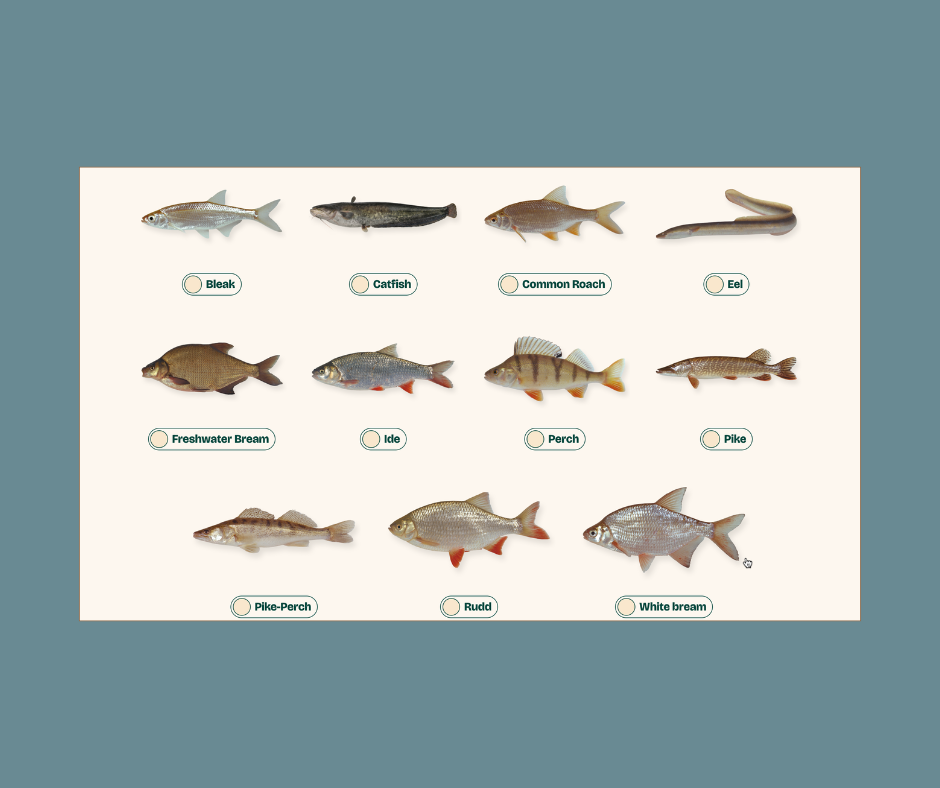
Fish Doorbell: Silly and worth checking out category.

Design Boom: Another shout-out for inspiration and whimsy.
Toward Justice,
Evangeline
Please share this blog with any of your friends working to build more just communities and organizations.
To receive this monthly Postcard from North Carolina directly in your inbox, please sign up below!